

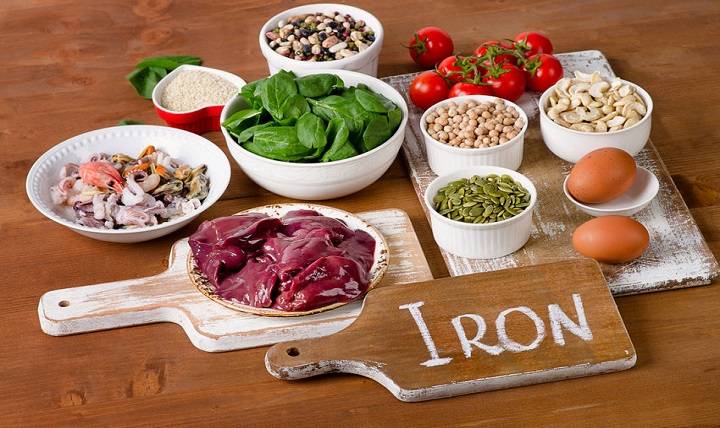
Iron deficiency is a common issue among people of all ages, especially in women and children. It can cause a range of symptoms such as fatigue, weakness, pale skin, hair loss, and impaired immune function. Luckily, the solution to this problem is quite simple: increase your iron intake through a healthy, balanced diet. Here are some foods that can help fill the gap during iron deficiency.
Leafy Greens
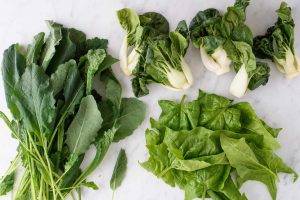
Leafy greens like spinach, kale, collard greens, and swiss chard are rich in iron, folate, and other important nutrients. They can be easily incorporated into meals such as salads, smoothies, and soups.
Beans and Legumes
Beans and legumes like lentils, chickpeas, black beans, and kidney beans are excellent sources of iron, protein, and fiber. They can be added to salads, soups, stews, or mashed into spreads like hummus.
Red Meat
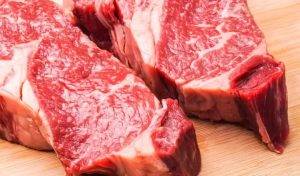
Red meat such as beef, lamb, and pork is a well-known source of iron, particularly heme iron which is easily absorbed by the body. However, it’s important to consume red meat in moderation as excessive consumption has been linked to increased risks of certain diseases.
Seafood
Seafood such as clams, oysters, and sardines are high in iron, protein, and omega-3 fatty acids. They can be grilled, steamed, or baked and served as a main dish or added to salads and soups.
Nuts and Seeds
Nuts and seeds like almonds, pumpkin seeds, and sunflower seeds are rich in iron, as well as healthy fats, fiber, and other important nutrients. They can be eaten as a snack or added to salads, smoothies, or oatmeal.
Fortified Foods
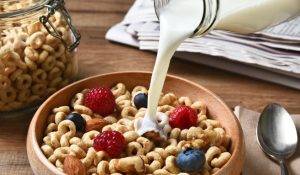
Fortified foods like breakfast cereals, bread, and pasta are often enriched with iron and other essential vitamins and minerals. These can be a convenient way to increase your iron intake, especially if you have a busy lifestyle.
Vitamin C-Rich Foods
Vitamin C helps the body absorb iron more efficiently, so incorporating vitamin C-rich foods like citrus fruits, strawberries, bell peppers, and broccoli into your meals can help improve iron absorption.
Conclusion
Iron deficiency is a common issue that can cause a range of symptoms, but it can be easily addressed through a healthy, balanced diet. Incorporating iron-rich foods like leafy greens, beans and legumes, red meat, seafood, nuts and seeds, fortified foods, and vitamin C-rich foods into your meals can help fill the gap during iron deficiency and improve overall health and well-being. If you suspect you have an iron deficiency, it’s important to consult with a healthcare professional for proper diagnosis and treatment.


