

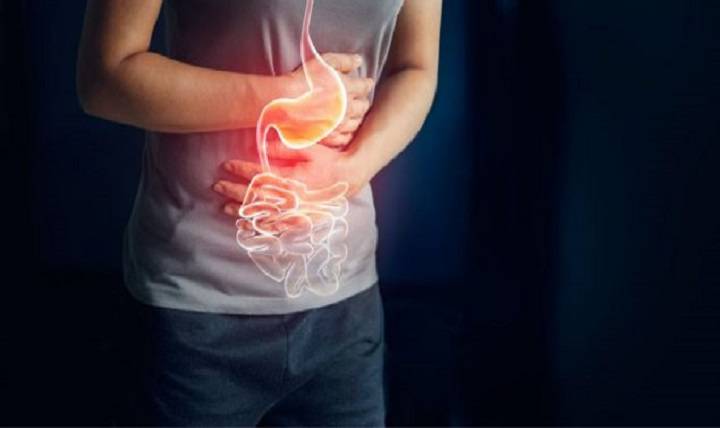
Food poisoning is a common illness that affects millions of people every year. It occurs when you consume food or drink that has been contaminated with harmful bacteria, viruses, parasites, or toxins. While food poisoning can range from mild to severe, it’s important to recognize the symptoms and seek medical attention if necessary. In this article, we’ll explore some of the signs that you may be suffering from food poisoning.
Symptoms of Food Poisoning
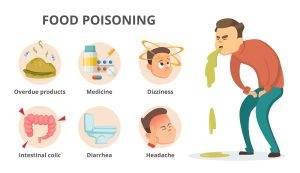
The symptoms of food poisoning can vary depending on the type of bacteria or toxin that caused the illness. However, some of the most common symptoms of food poisoning include:
Nausea and vomiting
This is one of the most common symptoms of food poisoning. You may feel like you need to vomit, and you may also experience nausea and stomach pain.
Diarrhea
Diarrhea is another common symptom of food poisoning. Your stool may be loose and watery, and you may experience cramping and abdominal pain.
Fever
A fever is a sign that your body is fighting an infection. If you have a fever, it’s important to stay hydrated and rest.
Headache
You may experience a headache or general feelings of malaise if you have food poisoning.
Weakness and fatigue
Food poisoning can be exhausting, and you may feel weak and fatigued as your body tries to fight off the infection.
Dehydration
It’s important to stay hydrated if you have food poisoning, as diarrhea and vomiting can cause dehydration. Symptoms of dehydration can include dry mouth, dark urine, and dizziness.
When to Seek Medical Attention

While most cases of food poisoning resolve on their own within a few days, some cases can be more severe and require medical attention. You should seek medical attention if:
You have severe symptoms
If you have severe vomiting, diarrhea, or abdominal pain, you should seek medical attention. Severe symptoms can lead to dehydration and other complications.
You have blood in your stool
If you have blood in your stool, it could be a sign of a more serious infection.
You are pregnant or have a weakened immune system
Pregnant women and people with weakened immune systems are at a higher risk for complications from food poisoning and should seek medical attention if they experience symptoms.
You have symptoms that last longer than a few days
If your symptoms last longer than a few days, it’s important to see a doctor. This could be a sign of a more serious infection or another underlying condition.
Preventing Food Poisoning
The best way to prevent food poisoning is to take steps to avoid consuming contaminated food or drink. Here are some tips to help you avoid food poisoning:
Wash your hands
Always wash your hands before handling food, and make sure to wash them again after handling raw meat or poultry.
Cook meat thoroughly
Make sure that meat is cooked to the appropriate temperature to kill any harmful bacteria.
Store food properly
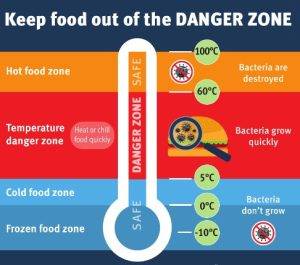
Store food at the appropriate temperature to prevent bacterial growth. Make sure to refrigerate leftovers promptly.
Avoid cross-contamination
Keep raw meat and poultry separate from other foods to prevent cross-contamination.
Be cautious when eating out
Be cautious when eating out, and choose restaurants with good hygiene practices.
Food poisoning is a common illness that can cause a range of symptoms, from mild to severe. It’s important to recognize the signs of food poisoning and seek medical attention if necessary. By taking steps to prevent food poisoning, such as washing your hands and cooking meat thoroughly, you can reduce your risk of getting sick.


