

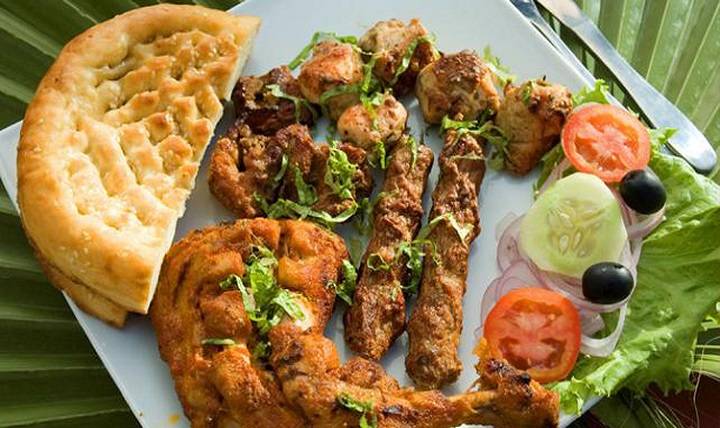
Halal food is a term that refers to food and drinks that are permissible according to Islamic law. Halal food is prepared, processed, and stored following specific guidelines to ensure it is free from any haram or prohibited substances. Halal food has gained significant popularity in recent years, with more people choosing to consume halal products due to their perceived health benefits and ethical considerations. In this article, we will explore the concept of halal food and the reasons why people choose or choose not to consume it.
What is Halal Food?
The term halal means are permissible in Arabic. In the context of food, it refers to food and drinks that are allowed under Islamic law. The concept of halal food goes beyond the ingredients used in food preparation; it also encompasses the way the food is processed, stored, and served. The process of halal food preparation and storage must adhere to specific guidelines to ensure that the food remains pure and free from any haram substances.
Halal food guidelines prohibit the consumption of any food or drink containing pork and its by-products, alcohol, and meat from animals that have not been slaughtered according to Islamic law. In addition, halal food guidelines prohibit the consumption of blood and any food or drink containing blood.
Why Do People Choose to Consume Halal Food?
Religious Reasons
Muslims choose to consume halal food due to their religious beliefs. Islam teaches that Muslims should only consume halal food and avoid haram food. Muslims believe that consuming haram food can impact their spiritual well-being and result in impurity.
Ethical Considerations
Halal food is not just about the ingredients used in food preparation, but it is also about the way animals are treated. Halal guidelines require that animals are treated humanely and slaughtered in a specific way to minimize pain and suffering. As a result, people who are concerned about animal welfare often choose to consume halal food.
Health Benefits
Halal food is believed to have several health benefits. The guidelines for halal food preparation and storage requirements require that the food is free from any haram substances, such as alcohol and pork, and is prepared using fresh and healthy ingredients. As a result, halal food is considered healthier than non-halal food.
Why Do People Choose Not to Consume Halal Food?

Lack of Knowledge
Some people choose not to consume halal food because they do not fully understand what it is. There is a misconception that halal food is only for Muslims and that non-Muslims cannot consume it. This misconception can lead to confusion and misunderstanding about the concept of halal food.
Availability
Halal food is not always readily available in certain areas, which can make it difficult for people to consume it. This can be especially challenging for people who live in areas with limited access to halal food, such as rural areas or areas with a low Muslim population.
Perception
Some people view halal food as being inferior or less tasty than non-halal food. This perception can be due to a lack of knowledge or a bias against halal food. However, this perception is often unfounded, as halal food can be just as delicious and flavorful as non-halal food.
Halal food is a significant aspect of Islamic culture, and its popularity has grown significantly over the years. Muslims choose to consume halal food due to their religious beliefs, ethical considerations, and health benefits. However, some people choose not to consume halal food due to a lack of knowledge, availability, or perception.


